




Hand & Wrist Arthritis
What is hand & wrist arthritis?
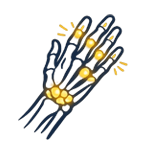
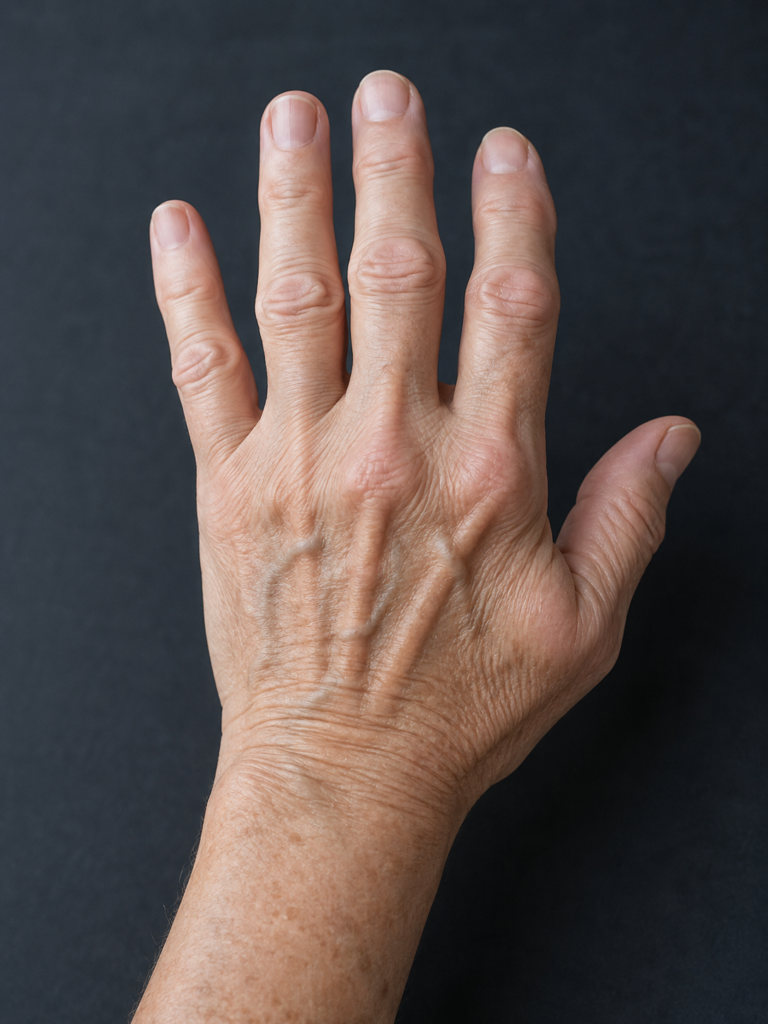
Arthritis can affect the finger joints, the base of the thumb and the wrist. Osteoarthritis develops as the smooth cartilage covering a joint becomes thinner and rougher, which can lead to pain, stiffness, swelling and reduced movement.
Symptoms vary widely. Some joints look enlarged but remain useful, while others become painful during gripping, pinching or weight-bearing through the hand.
When might treatment be needed?
Treatment may be worth considering when pain is persistent, grip or pinch strength is reduced, or stiffness is limiting work, sleep, hobbies or everyday independence.
An examination and X-rays can help identify which joint is causing the symptoms and how advanced the changes are. The most suitable treatment depends on the joint involved, your symptoms and the activities that matter to you.
Treatment
Non-surgical options can include adapting painful activities, medication advised by a pharmacist or GP, a supportive splint, hand therapy and a steroid injection into an appropriate joint.
If symptoms remain severe, surgery may be discussed. Depending on the joint, options can include removing an arthritic bone, fusing the joint or replacing it with an artificial joint. The benefits, limitations and possible need for further surgery in the future will be explained carefully.
Consultation
Treatment plan
Recovery
Recovery and aftercare
Recovery varies considerably according to the joint and treatment chosen. After surgery, a dressing, cast or splint may be required and hand therapy often helps restore useful movement and strength.
Improvement can continue for several months. Joint fusion aims to reduce pain by permanently stopping movement at that joint, while joint replacement preserves some movement but has its own activity limits and potential for wear.