




Ganglion
What is a ganglion?
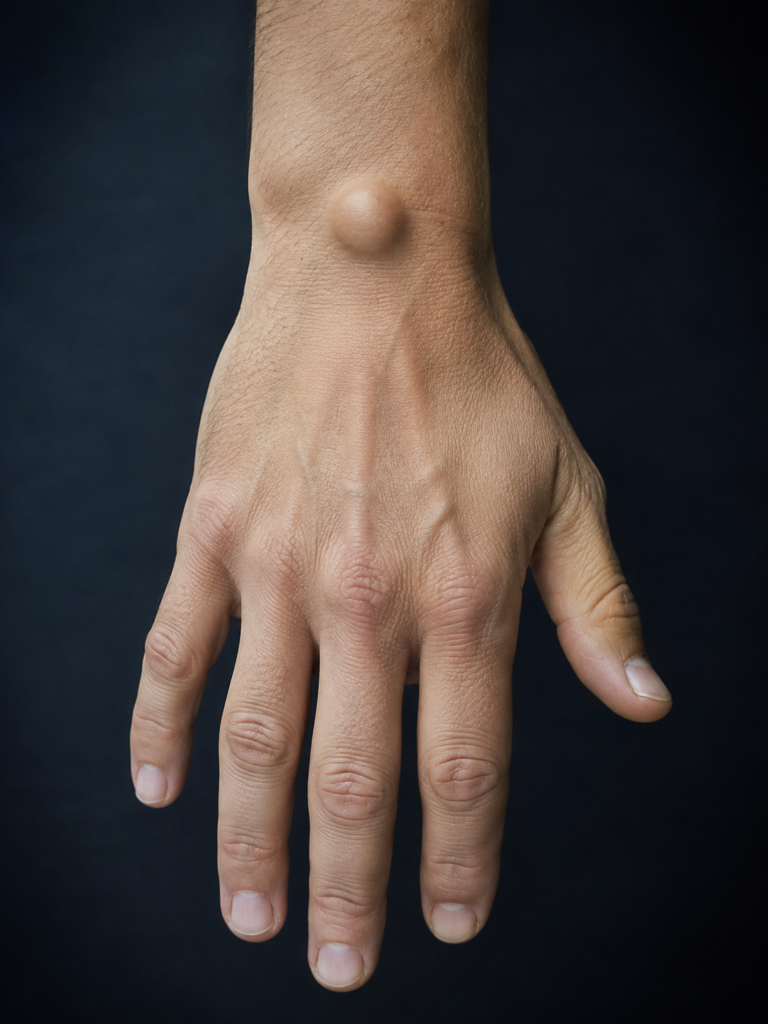
A ganglion is a fluid-filled cyst that develops from a joint or tendon sheath. It commonly appears as a smooth lump on the back or front of the wrist, at the base of a finger or near a finger joint.
A ganglion can change in size and may be painless or uncomfortable, particularly during gripping or wrist movement. A confirmed ganglion is non-cancerous, but not every lump in the hand or wrist is a ganglion.
When might treatment be needed?
Many ganglia can safely be left alone and some disappear without treatment. Assessment is useful if the lump is painful, affects movement or grip, causes tingling, or if the diagnosis is uncertain.
A new lump that changes rapidly, becomes inflamed or is associated with other concerning symptoms should be checked rather than assumed to be a ganglion.
Treatment and recovery
Treatment depends on the ganglion’s location and the problems it is causing. Options include reassurance and observation, draining the fluid with a needle, or surgical removal.
Draining a ganglion can reduce the swelling but it may refill. Surgery may be considered for persistent troublesome cysts, although recurrence, stiffness and scar sensitivity are possible and will be discussed before treatment.
Consultation
Treatment plan
Recovery
Recovery and aftercare
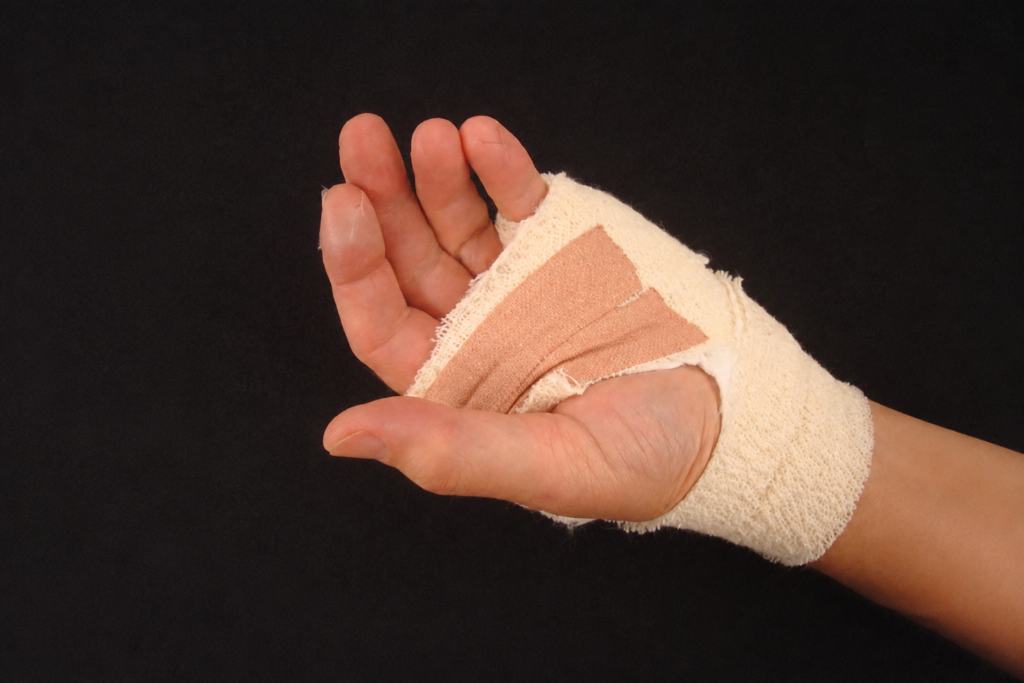
Recovery depends on whether the ganglion is observed, drained or removed. After a procedure, you will receive guidance about dressings, movement and when to resume heavier activities.
Some swelling or tenderness is common at first. Keeping the fingers moving helps reduce stiffness, and hand therapy can be arranged if wrist or finger movement needs additional support.