
Undergoing Surgery
Mostly day-case care
Clear instructions
Follow-up support
The surgical journey
Supportive care, every step of the way.
From your first consultation to recovery, we’re with you throughout your journey.
Consultation
Diagnosis & options
Treatment
Recovery & aftercare
Before your procedure
Simple preparation for your surgery
Eating & drinking
Medicines
Getting home
Protect your hands before surgery
Healthy, unbroken skin is essential to reduce the risk of infection following hand surgery. Please take the following precautions in the days and weeks before your operation:
- Avoid injuries: Protect your hands from cuts, scratches, burns, blisters and insect bites, particularly during gardening, DIY and household tasks.
- Care for your skin: Keep hands clean and moisturised, and avoid biting nails or cutting cuticles.
- Remove jewellery: Rings, watches and bracelets must be removable before surgery.
Please contact the practice before your operation if you develop any wounds, rashes, skin infections or other skin problems, or if you cannot remove your jewellery. Your surgery may need to be postponed for your safety.
Ready to arrange a consultation?

After Surgery
Dressings, swelling and movement
Your hand or wrist will be in a bulky dressing to protect the area and support early healing.
- Stitches are usually removed after around 10–14 days.
- Keep the dressing clean and dry.
- Elevate your hand to reduce swelling.
- Gently move your fingers, as advised, to help prevent stiffness.
- We’ll guide you on what is safe and when.
Recovery Support
Driving, therapy and rehabilitation
You can usually drive once your stitches have been removed, provided you can control the car safely.
We’ll advise you when it is safe to return to work, exercise and other activities. Hand therapy may be recommended to restore movement, strength and confidence.
- Return to driving – when safe and confident
- Hand therapy – tailored exercises and support
- Return to work and activities – step-by-step guidance

Healing Well
Scar care and progress
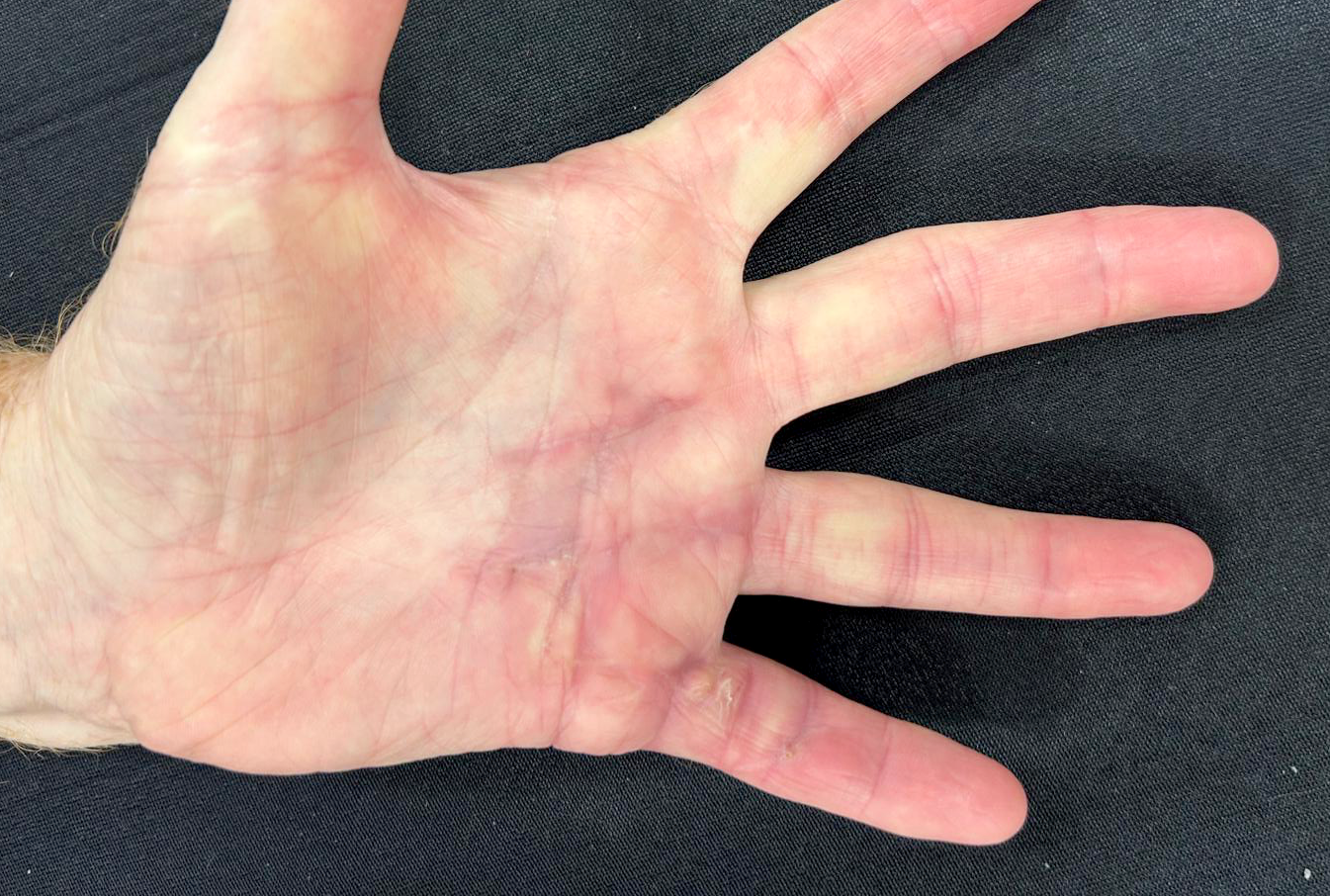
Scars soften and fade over time. Keeping the area moisturised and protected from the sun can help achieve the best possible long-term result.
- Use simple scar care and sun protection.
- Massage, once the wound has healed, can help soften the scar.
- We’ll monitor your progress and adjust your plan.
Risks & Concerns
Understanding the possible risks
All procedures have some risks. We take every care to keep these low and will discuss them with you.
Potential risks include:
- Bruising and minor bleeding
- Temporary numbness or hypersensitivity
- Stiffness or reduced movement
- Persistent symptoms or scar sensitivity
- Infections and wound healing problems
Any uncommon or procedure-specific risks will be explained during your consultation.

When to contact us
Please get in touch if you are concerned
Worsening pain, swelling or redness.
Bleeding, discharge, fever or feeling unwell.
Numb, cold or discoloured fingers, or a dressing that feels too tight.
Follow the discharge advice you are given. Seek urgent help if symptoms are severe.