




Sports Injuries
What are hand and wrist sports injuries?
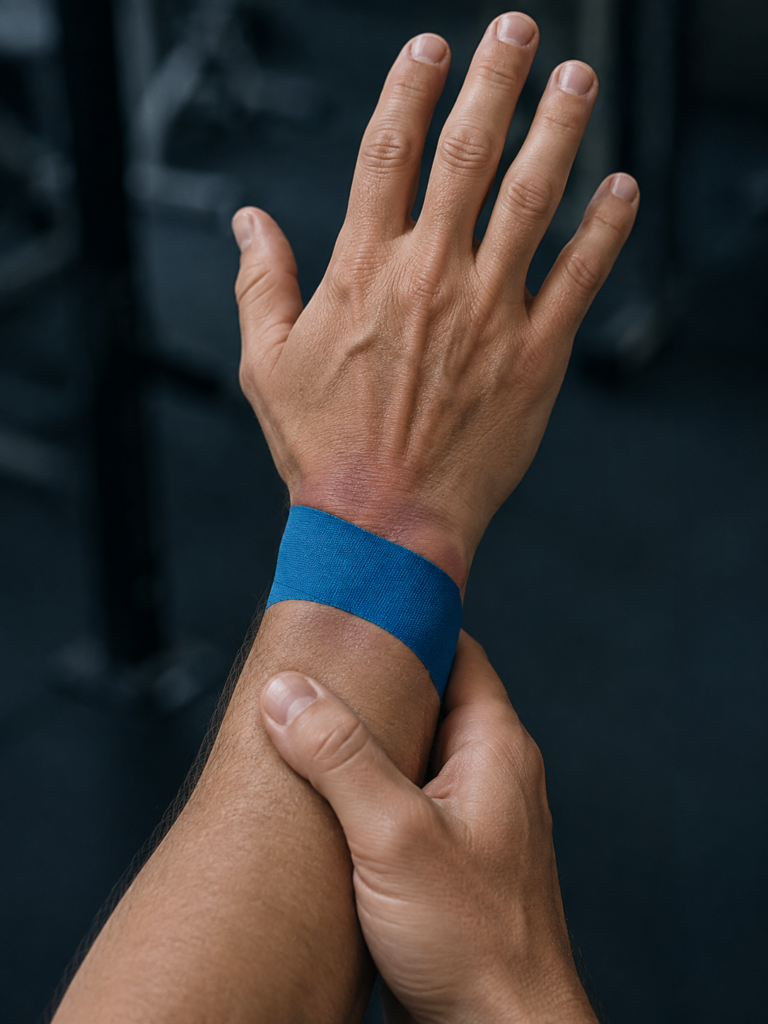
Sports injuries to the hand and wrist include sprains, ligament and tendon injuries, joint instability and dislocations. They can follow a fall, direct impact, twisting force or repeated loading.
Symptoms may include pain, swelling, bruising, stiffness, weakness or a feeling that a joint is unstable. Some fractures can initially feel like a sprain, particularly around the wrist.
Urgent care: A new injury with marked deformity, an open wound, loss of feeling, or a pale or cold hand needs urgent assessment rather than a routine consultation. Contact NHS 111, or call 999 in an emergency.
When might treatment be needed?
A specialist assessment can help when pain is severe, movement or grip is reduced, the joint feels unstable, or symptoms are not improving as expected with rest and simple care.
Examination is used to identify which structures may be injured. X-rays can check for a fracture, while ultrasound, MRI or CT scans may be needed for particular ligament, tendon or cartilage injuries.
Treatment and recovery
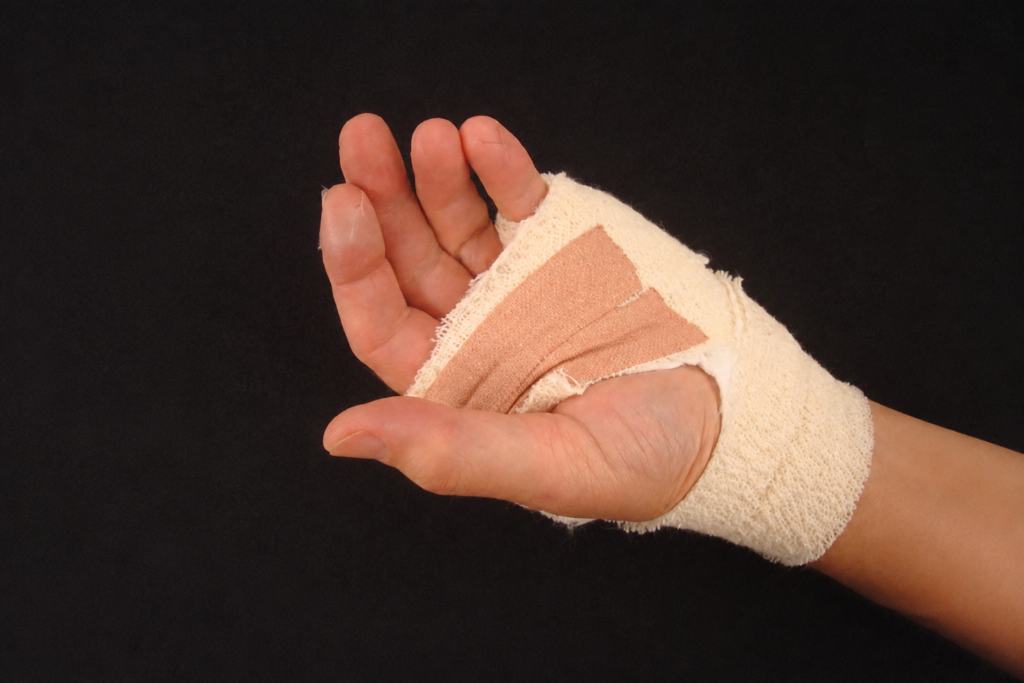
Many injuries improve with activity modification, a splint or cast and a structured hand-therapy programme. Early treatment aims to protect the injury while preventing unnecessary stiffness.
Surgery may be needed if a ligament or tendon is fully torn, a joint remains unstable or an injury cannot heal in a satisfactory position. Keyhole techniques, including wrist or elbow arthroscopy, may be used for selected injuries to help diagnose or treat damage inside the joint.
Consultation
Treatment plan
Recovery
Recovery and aftercare
Recovery is guided by the structure injured and the demands of your sport. Movement and strengthening exercises are usually increased gradually as healing allows.
Sprains and ligament injuries can take weeks or sometimes months to settle. Hand therapy, protective taping or a sports splint may help you return safely and reduce the risk of reinjury.