




Dupuytren’s Contracture
What is dupuytren’s contracture?
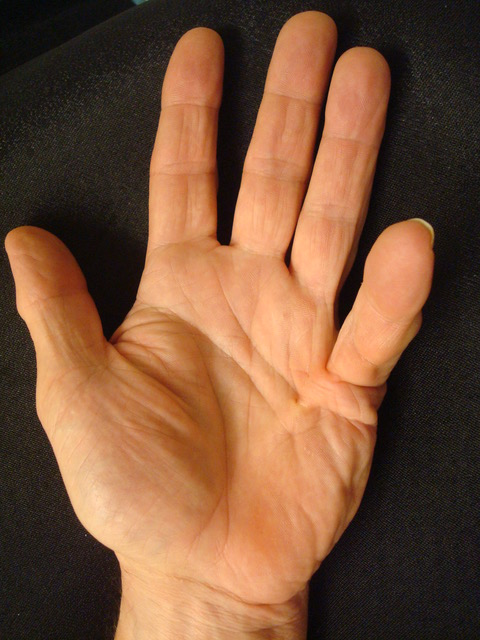
Dupuytren’s contracture is a condition in which the tissue just beneath the skin of the palm and fingers becomes thicker. Firm nodules and cords can develop and gradually draw one or more fingers towards the palm.
It commonly affects the ring and little fingers and often develops slowly over months or years. The condition can run in families and is more common in men and in people of Northern European ancestry.
When might treatment be needed?
Early nodules or cords may not need treatment if the fingers can still straighten fully and the hand works normally. Monitoring may be all that is required at this stage.
A specialist opinion is helpful when you can no longer place the hand flat on a table, the fingers are becoming fixed in a bent position, or the contracture is making washing, dressing, gripping or other daily tasks difficult.
Treatment and recovery
Treatment is tailored to the position and severity of the contracture. A procedure may involve dividing the tight cord or removing affected tissue so that the finger can be made straighter.
Treatment can improve hand function but does not remove the underlying tendency to Dupuytren’s disease. A very bent finger may not become completely straight, and the condition can return in the treated finger or develop elsewhere in the hand.
Consultation
Treatment plan
Recovery
Recovery and aftercare
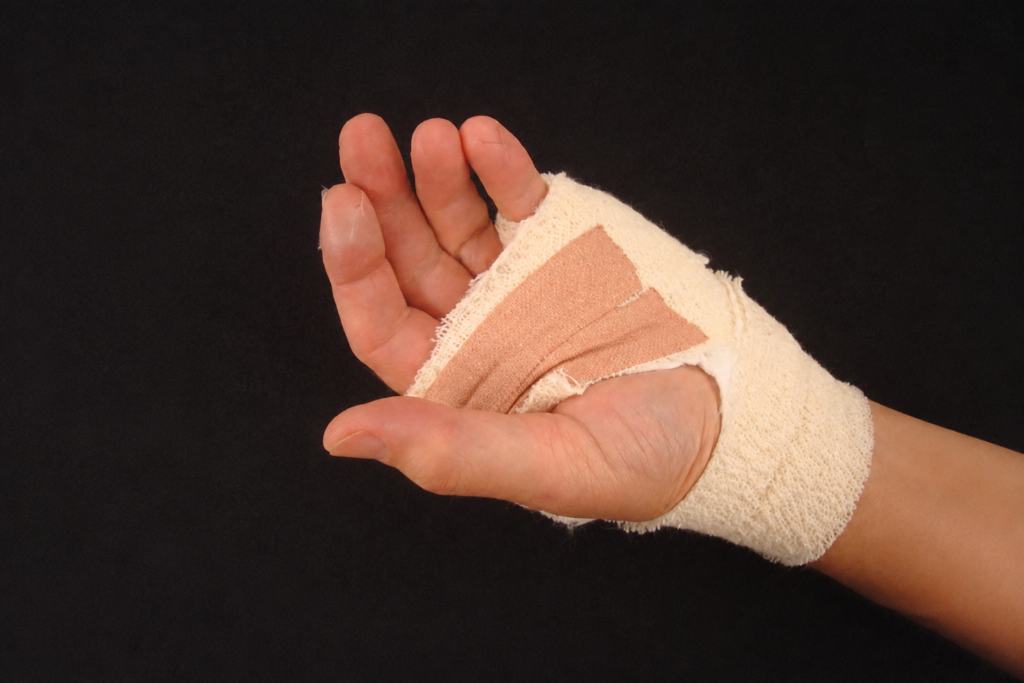
After surgery, you will be given advice about wound care, elevation and finger movement. A night splint may be recommended for a period of time.
Hand therapy is often an important part of recovery, particularly after more extensive treatment. Recovery time varies according to the degree of contracture, the procedure used and how the hand responds.