





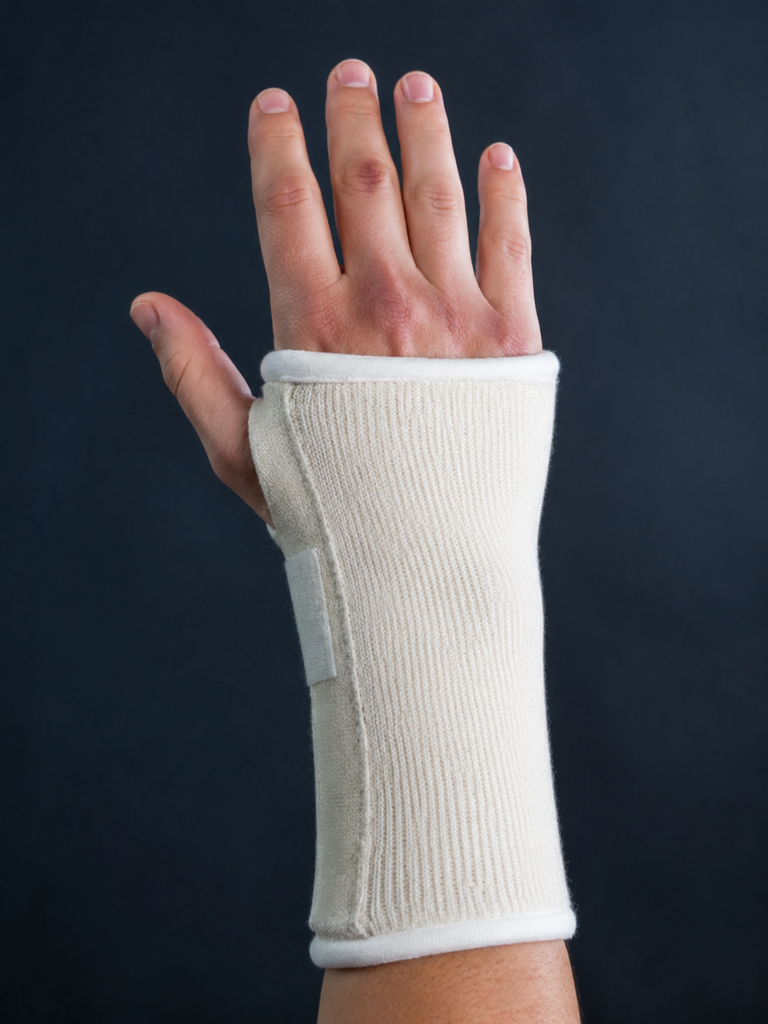


Hand & Wrist Fractures
What are hand and wrist fractures?
A fracture is a break in one or more bones of the fingers, hand or wrist. Common examples include finger fractures, wrist fractures involving the radius or ulna, and fractures of the scaphoid bone at the base of the thumb.
Typical symptoms include pain, swelling, bruising and reduced movement. There may also be deformity, numbness or an open wound. Scaphoid fractures can be less obvious and may need further imaging if initial X-rays do not show the injury clearly.
When might treatment be needed?
All suspected fractures should be assessed promptly. Specialist follow-up may be needed when a fracture is displaced, affects a joint, is unstable, involves the scaphoid, or is not healing as expected.
Treatment planning takes account of the bone involved, the fracture position, associated tendon or nerve injuries, your general health and how you use your hand.
Treatment
Many hand and wrist fractures can be treated without surgery using a splint or cast, sometimes after the bones have been gently realigned. Early movement of unaffected joints is often encouraged to reduce stiffness.
An operation may be recommended when the fracture cannot be held in a good position or is unlikely to heal reliably. Wires, screws or plates can be used to stabilise the bone. CT or MRI scans may be helpful for scaphoid and other complex injuries.
Consultation
Treatment plan
Recovery
Recovery and aftercare
Many hand fractures unite in around six to eight weeks, although scaphoid and complex fractures can take longer. Strength and confidence in the hand often continue improving for several months.
Follow-up X-rays, splint or cast care and hand-therapy exercises may all form part of recovery. Swelling and stiffness are common at first, so return to driving, work and sport should follow the individual advice you are given.